Letters from a Dermatologist · Barrier
Why Your Skin Gets Thirsty the Moment the Heat Comes On
The moment the heat comes on, it isn't long before your face feels tight. Heating dries out indoor air, and in dry air, water leaves the top layer of your skin faster. (By the way, the air on a plane is drier still.)
The Air Is Pulling Water Out
The top layer of your skin holds water a bit like a sponge. In humid air, that sponge stays plump. In dry air, water evaporates from the sponge faster than it can be replaced.
Skin can't hold out for long. In one study, people sat in a low-humidity room, and within a few hours the water content of their outer skin layer had already dropped, on the cheeks as well as the arms. The skin's surface also became rougher.
Low humidity may also change how skin sheds. In mice kept in dry air, visible flakes appeared in just three days. The mice weren't making extra skin cells. Instead, their old cells were detaching more slowly.
Your Heater Is Part of the Story
Cold winter air starts out dry. Warm it up indoors without adding moisture, and the relative humidity falls even further.
In another study, women with healthy skin spent six hours in a heated room on a winter day. Afterward, their faces were rougher and redder. In the same study, the side of the face treated with a moisturizing cream was smoother than the untreated side.
You've probably felt this yourself.
Dry at 30,000 Feet
Airplane cabins take this to the extreme. Indoor humidity of about 40% to 60% is generally considered comfortable for skin. But when researchers followed eight women on long-haul flights, cabin humidity fell below 10% within two hours of takeoff and stayed that low for the rest of the flight. Skin moisture fell quickly on both the face and the arms, with the biggest drop on the cheeks.
People tend to start feeling the effects of dry cabin air after about three to four hours. So if your face feels papery after a long trip, you're not imagining it.
By the Numbers
Three Things to Try This Season
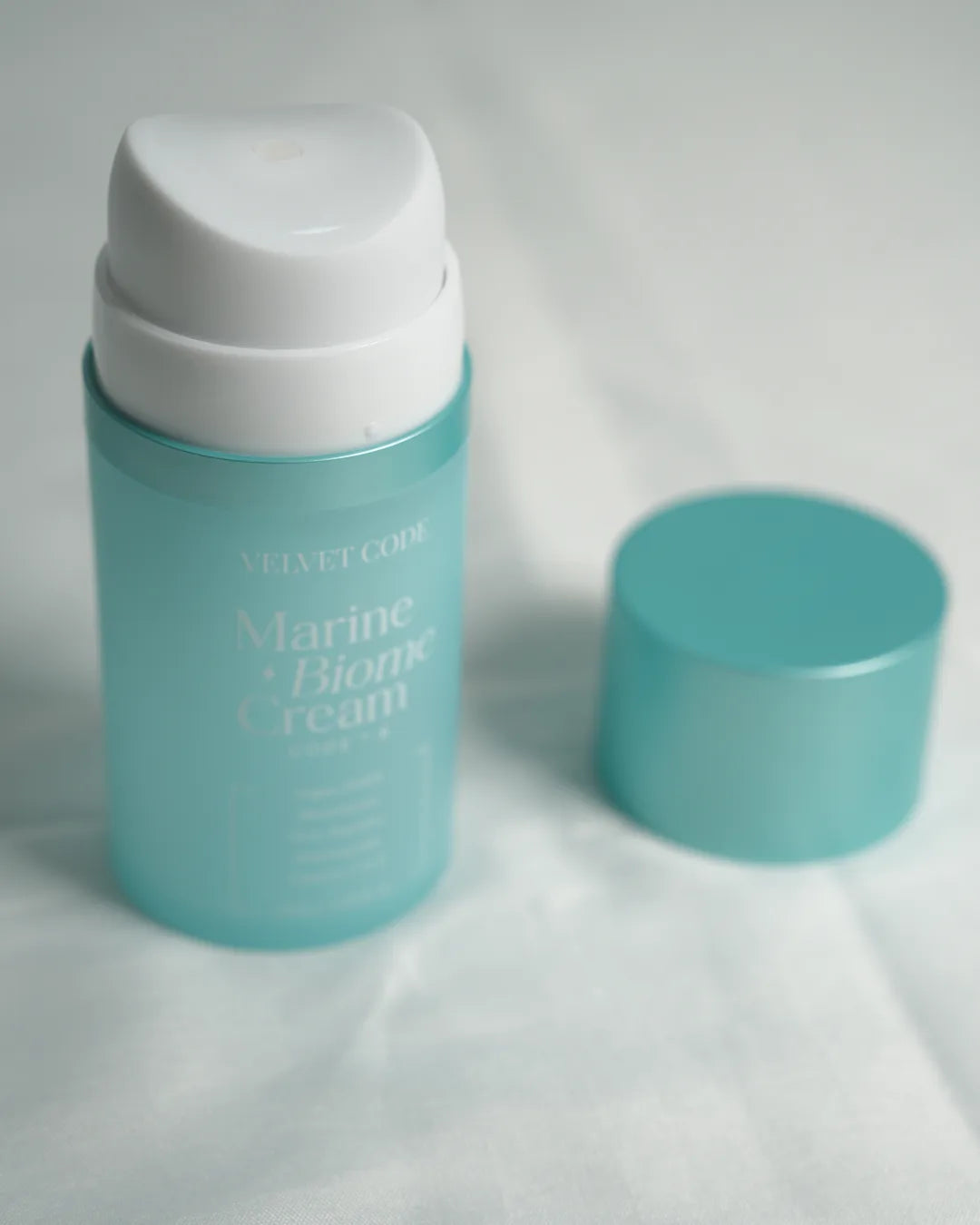
- Moisturize after every wash. A light layer is enough. The goal is to slow water loss after washing.
- Reapply on long flights. Smooth on moisturizer before you board, then add another thin layer around the three-hour mark.
- Add moisture to the air. A humidifier in your bedroom is an easy place to start. Humidified air can raise the water content of your outer skin layer.

Keep Reading