Letters from a Dermatologist · Texture
Rich Cream vs. Gel Cream: What Goes Under Your Makeup?
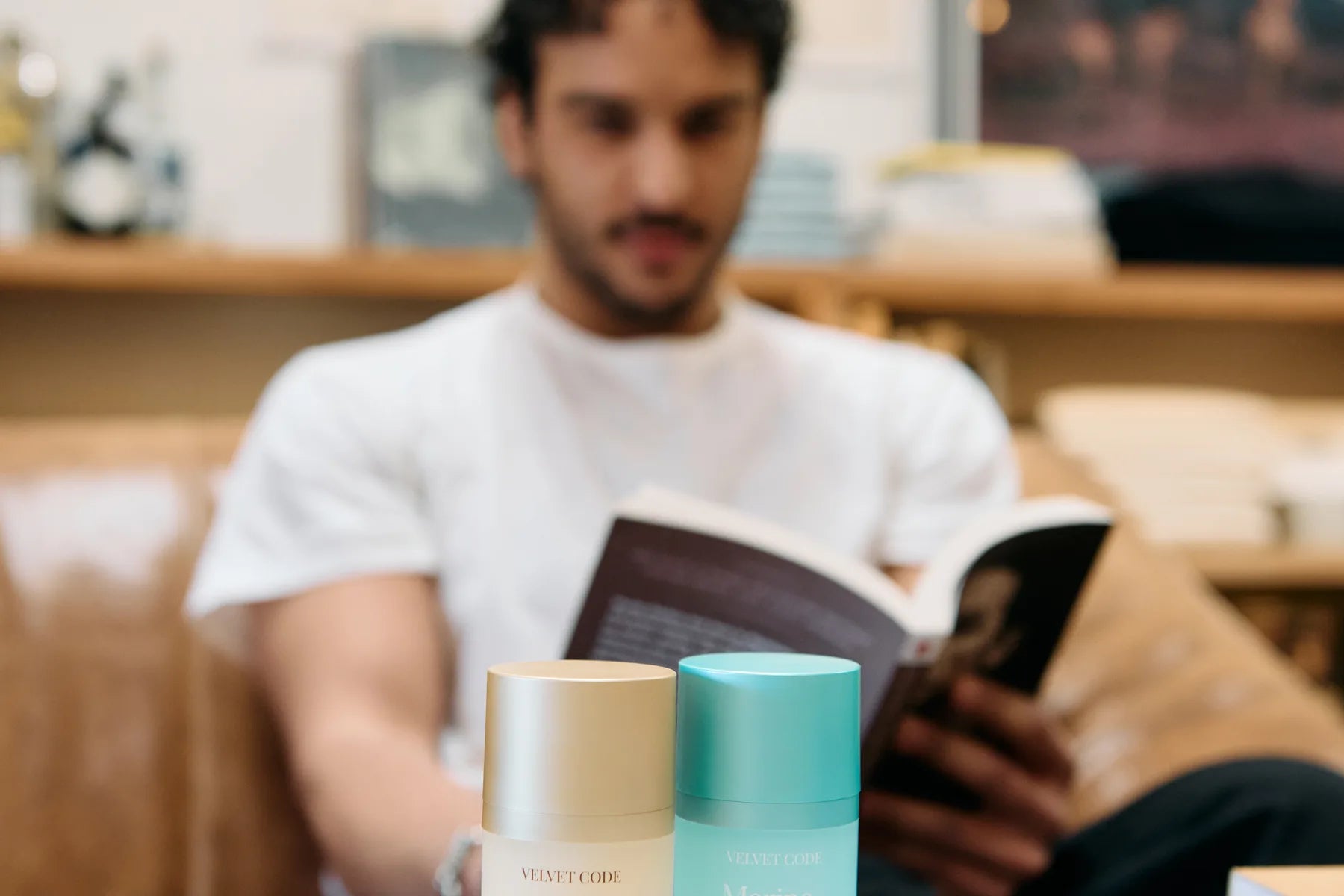
It's 8 a.m. Moisturizer, sunscreen, foundation, and then you spot it: little crumbs rolling up along your cheek. Before you blame any one product, here's what research shows about what happens under your makeup, and how to pick a texture for each part of the day.

What a Moisturizer Is Made Of
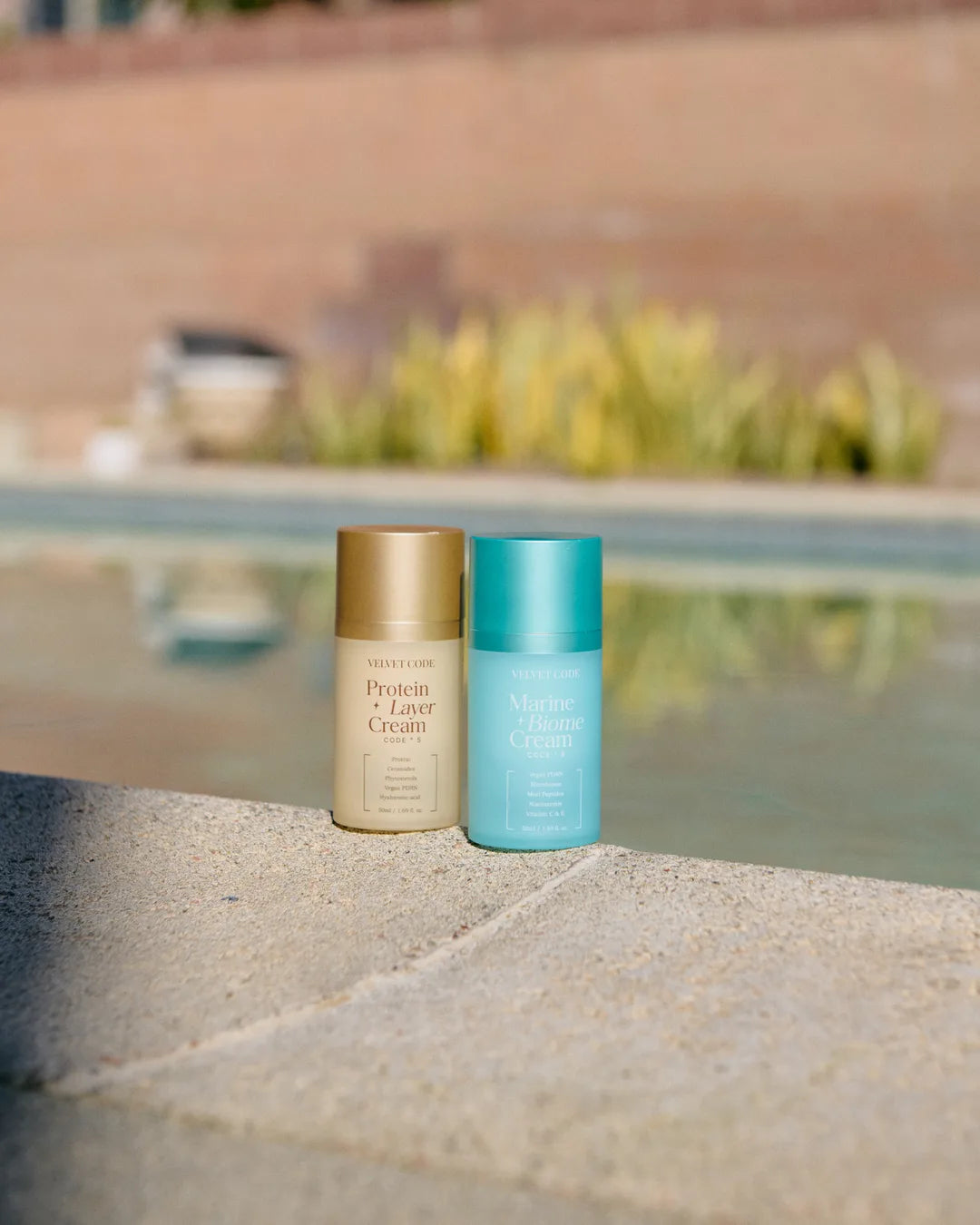
Most moisturizers combine three kinds of ingredients in different amounts. Some draw water into the skin. Some soften and smooth the surface. Some form a layer that slows water loss. Rich creams have a larger share of that last kind than gel creams do. Gel creams rely more on water and the ingredients that draw it in. That mix decides how a product feels on your face.
What Pilling Has to Do With It
In one study, 528 women applied skincare, sunscreen, and foundation in layers while researchers watched for pilling. Most of the pilling appeared after the sunscreen step.
Two other patterns stood out. Women whose makeup pilled tended to have drier skin. And rubbing products in, whether in circles or back and forth, produced the most pilling. In other words, moisturizer is always the right call. What matters is how you apply each layer on top of it.
Morning and Night Are Different
In another study, researchers checked the skin of 16 healthy adults every two hours for a full day. Skin let more water through in the evening and at night than in the morning. The pattern showed up on the forehead, not just on the arms and legs.
That timing isn't random. Your body runs on an internal 24-hour clock, and your skin keeps clocks of its own. When researchers studied skin samples from 20 people, the daily clock signal showed up clearly in the epidermis, the skin's outermost layer. Even human skin cells grown in a lab keep their own daily rhythm.
Hormones follow the clock, too. Cortisol, often called the stress hormone, peaks in the early morning and falls to its lowest point late in the evening. Melatonin, the body's signal for night, is released mainly after dark, and human skin has its own melatonin receptors and makes some melatonin itself. In mice, skin cell division rises and falls on a daily schedule, a sign that the skin's renewal work keeps time as well.
In the morning, sunscreen and makeup go on over whatever you apply first, so a layer that spreads easily with light pressure is practical. Friction matters, too. When people's forearms were rubbed again and again with tissue, their skin lost more water and turned redder.
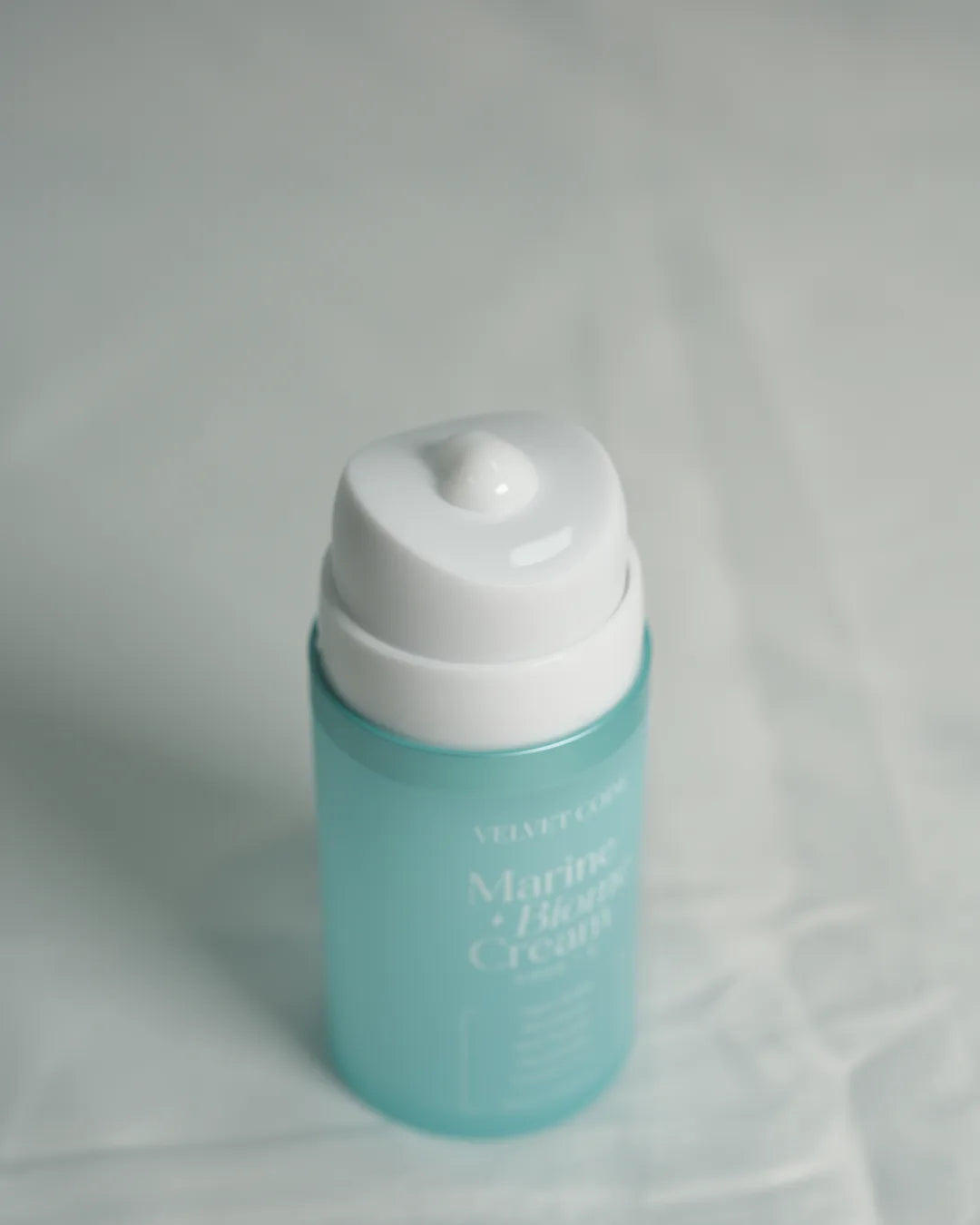
At night, by contrast, nothing needs to go on top of your skincare, so it's a good time for a richer cream that locks in moisture.
By the Numbers
Try This
- Pat, don't rub. Rubbing in a thick cream adds friction that can stress your skin.
- To minimize pilling, give it a minute to settle before your sunscreen goes on.
- At bedtime, reach for a rich cream that locks in moisture.
Good skincare isn't complicated. Choose the texture that fits the time of day, and keep it simple.


Keep Reading