Letters from a Dermatologist · Barrier
Your Face Is Never Really Alone
Your skin's surface is always home to a large number of bacteria. Most of them are harmless, and some actually help protect your skin.

Different Areas, Different Bacteria
Different parts of your skin host different bacteria. When researchers sampled 20 sites on healthy people's skin, areas with a similar environment (oily, moist, or dry) tended to host similar communities.
In a study of 51 young adults, a person's right and left palms shared only 17% of their bacterial types. The palms of two different people shared just 13%.
The bacteria on your skin also tend to stay put. When researchers sampled the same people repeatedly over months and years, their skin communities stayed largely stable, even though skin is constantly exposed to the outside world.

Bacteria That Help Your Skin
One of the most common bacteria on skin is Staphylococcus epidermidis. Its name sounds alarming, but it can help protect your skin.
In lab tests, some strains of this everyday skin bacterium produced their own germ-fighting molecules. These molecules targeted a harmful bacterium called Staphylococcus aureus and left other bacteria alone. The bacterial molecules also worked together with a defense molecule that human skin makes on its own.
In cell experiments and in mice, a molecule from these resident bacteria helped quiet the skin's inflammatory signals after a small injury. So besides fending off harmful bacteria, these bacteria may also help keep the skin calm.
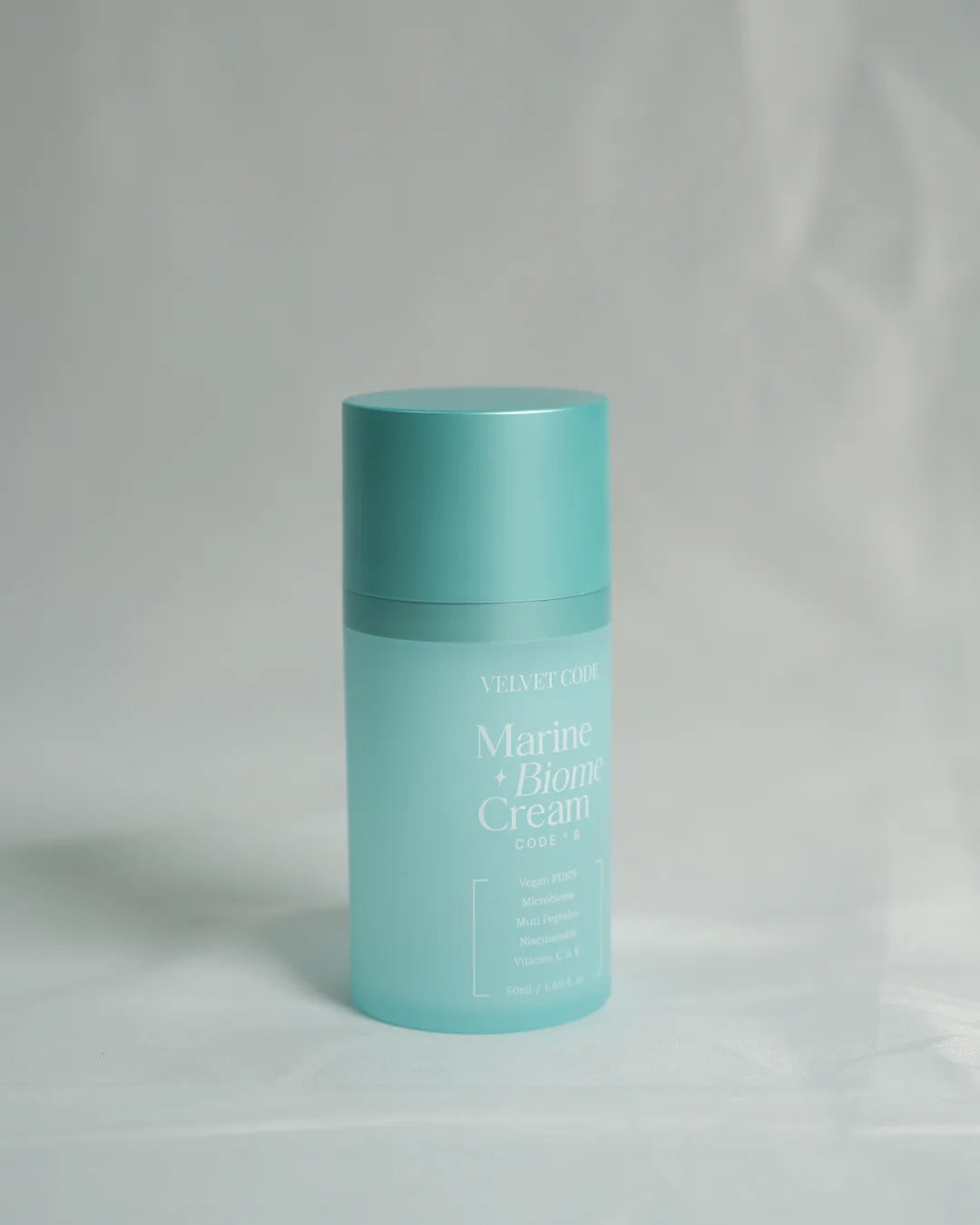
Helping Bacteria Without Adding Bacteria
Skin is a tough place for bacteria to live. The bacteria that do live there respond to how you care for your skin. In the palm study, the time since someone last washed their hands changed the mix of bacteria on their palms.
You can help your skin's bacteria without putting bacteria on your skin. One way is to apply nutrients that bacteria feed on, or substances that bacteria have made. In a study where 110 people used this kind of moisturizer for 8 weeks, bacterial variety held steady in the treated areas, unlike in the untreated areas. The share of the good bacterium S. epidermidis also went up.
By the Numbers
Two Things to Try Tomorrow
- Wash, don't scrub. One gentle pass is enough. The goal isn't to remove every last bacterium.
- Washing too often may not help. In the palm study, washing changed the mix of bacteria on the skin. There's no need to wash more often than your usual routine.

Keep Reading