Letters from a Dermatologist · Ingredients
Oily and Dehydrated at the Same Time? It Happens
Have you ever felt your cheeks get tight right after you wash, then seen your forehead shine by lunch? Can both really happen at the same time?
The short answer is that oil and water aren't opposites. On your skin, they're two separate things.

Two Different Measurements
What makes your face look shiny is mostly sebum, made by tiny glands in your skin. Water, on the other hand, sits in the outer layer of skin cells.
In one study of 434 adults, researchers measured skin hydration and oil separately. "Oily" and "dehydrated" landed in separate categories, each with its own cutoff. One doesn't rule out the other.
Your own sense of your skin type may not tell you much about water, either. In a study of 71 volunteers, people's answers to an "oily or dry?" questionnaire tracked weakly with their measured oil. They didn't track with measured hydration.

Why Shine Shows Up Where It Does
Oil glands aren't spread evenly. On the forehead and scalp, they can reach 400 to 900 glands per square centimeter, while the arms and legs have far fewer. That's part of why your forehead can look shiny while your cheeks feel fine, or even tight.
Where Niacinamide Comes In
Niacinamide, a form of vitamin B3, is one of the ingredients studied for oily skin. In a study of 100 people, those who used a moisturizer with 2% niacinamide produced less oil than those who used an identical moisturizer without it. The difference showed up by week 2 and held at week 4. In a separate 6-week study of 30 people, the side of the face treated with niacinamide had less oil sitting on the skin. That's how niacinamide came to be known as an ingredient that can help balance oil.
What Washing Does
Washing your face changes both oil and water for a while. In a study of 22 women, cleansing took surface oil off the skin, and it took about 2 hours to build back up. Skin hydration, on the other hand, dipped briefly but came back in about 40 minutes.
If your face feels tight every time you wash, the cleanser may be part of the problem. Surfactants are the ingredients that let a cleanser lift oil and dirt. Strong ones also wash away lipids from the skin's outer layer and damage its proteins, and that's what leaves skin feeling tight and dry. A very alkaline cleanser can add to the problem. Research has found that a pH 10 solution makes the outer layer swell and changes its lipids, while healthy skin is slightly acidic.
By the Numbers
Three Things to Try Tomorrow
- Switch to a gentler cleanser. If your skin feels tight right after washing, a milder formula may help.
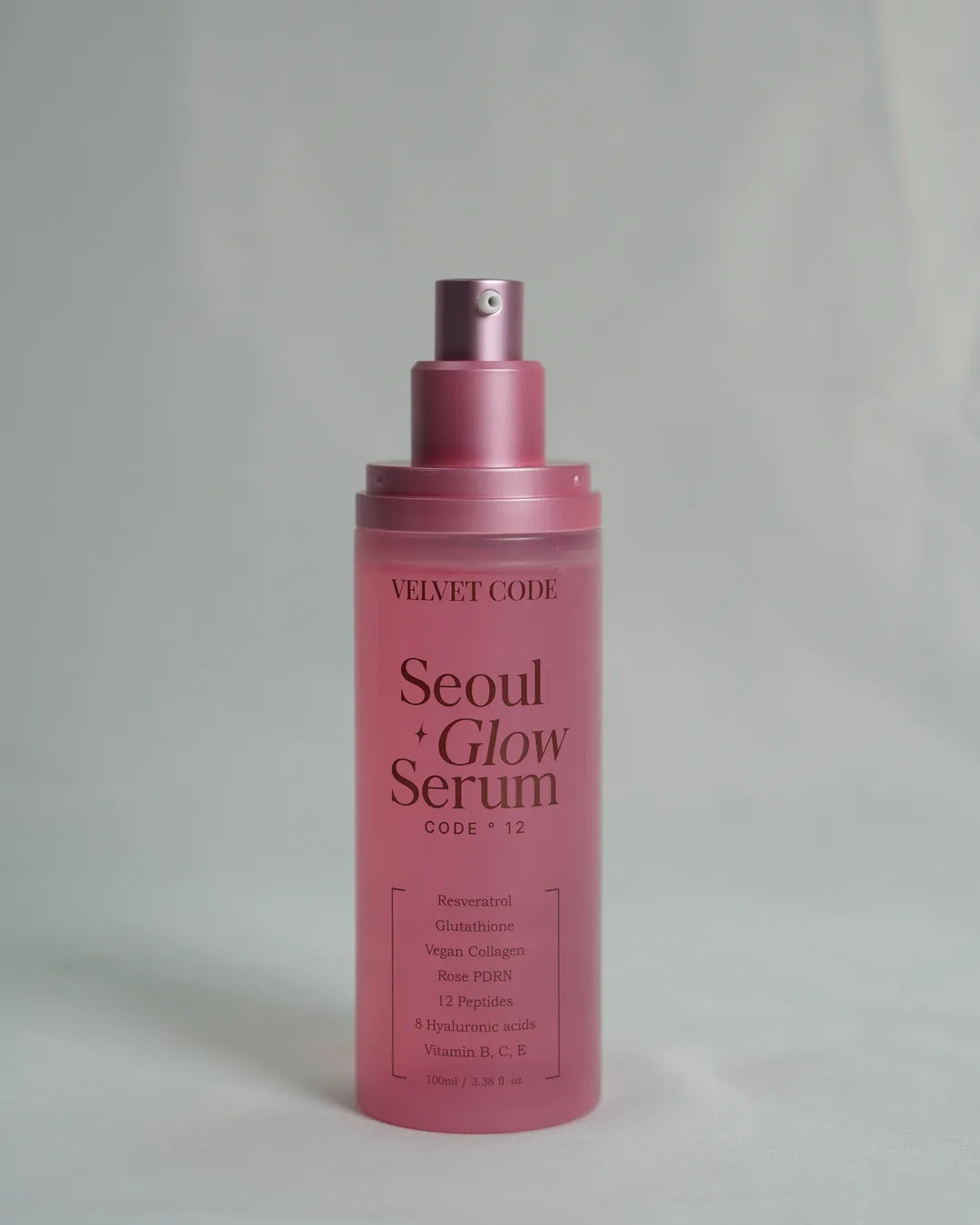
- Hydrate without heaviness. Oily skin still needs water. A lightweight, water-based serum or gel adds water without a greasy finish.
- Use a product with niacinamide consistently. In the studies above, the drop in oil showed up after 2 to 6 weeks.

Keep Reading